
Introduction
Managing Pelvic Inflammatory Disease (PID) poses a key challenge: we need to diagnose early to protect fertility, but we also face increasing antimicrobial resistance and changing bacterial strains. Although we learn to start treatment based on ‘minimum criteria’ like cervical motion, uterine, or adnexal tenderness, severe PID often progresses quietly, causing damage before symptoms appear. This means PID is not just a straightforward infection, but a process that requires us to shift from simply reacting to having a clear plan for escalation.
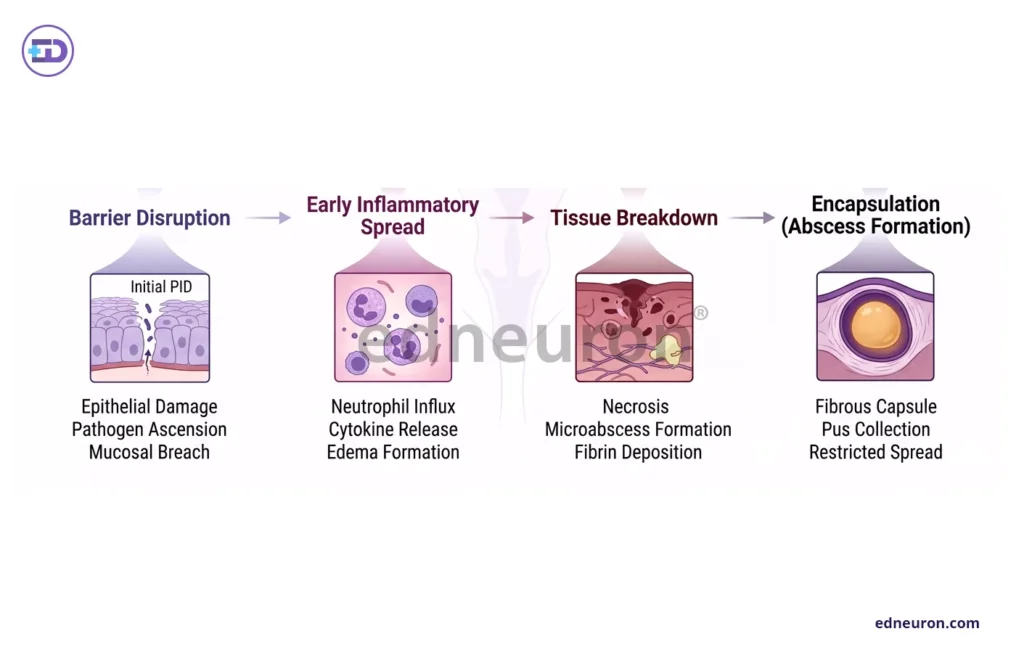
Fig 1: Pathophysiological progression of PID from initial barrier disruption to abscess encapsulation.
The Mechanical Continuum: From Barrier Loss to Encapsulation
In severe PID, the endocervical barrier fails, allowing bacteria to ascend and trigger a damaging inflammatory response. In the fallopian tubes, this is not just an infection—it destroys tissue. Inflammation leads to swelling and loss of the ciliated lining, which disrupts egg transport. This breakdown helps explain the strong link between PID and ectopic pregnancies worldwide.
When infection progresses to a Tubo-Ovarian Abscess (TOA), the pathology shifts toward encapsulation. The TOA is a polymicrobial micro-environment where anaerobic and enteric organisms thrive within multiloculated collections that are inherently resistant to antibiotic penetration. At this stage, the clinical question is no longer just “which drug?” but “when to drain?” Evidence suggests that collections exceeding 7–8 cm in diameter represent a threshold at which medical therapy alone frequently fails, necessitating image-guided drainage or surgical intervention to achieve source control.
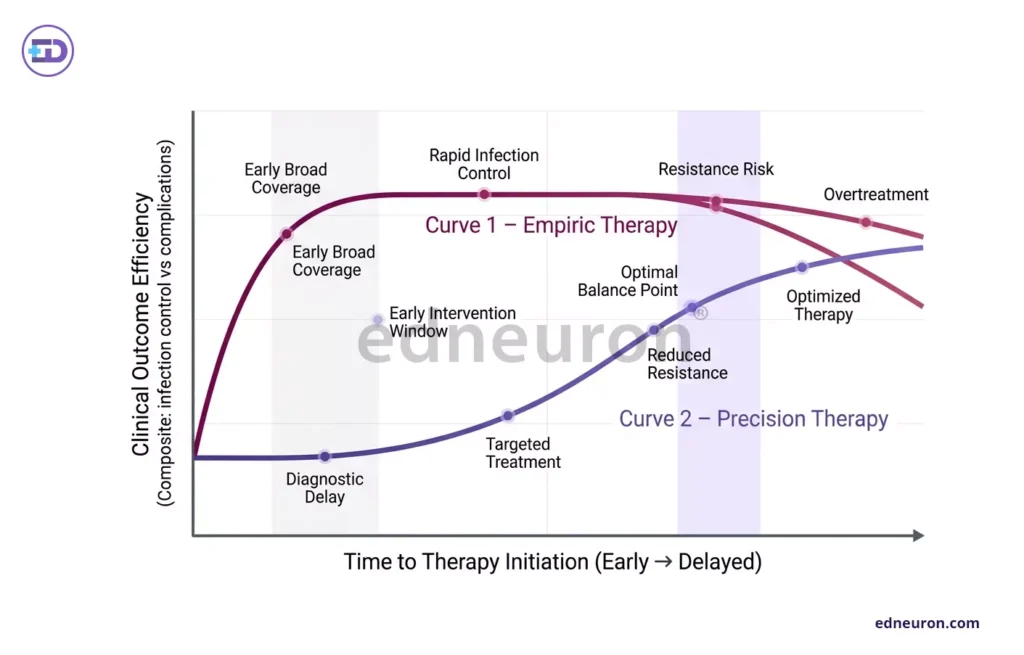
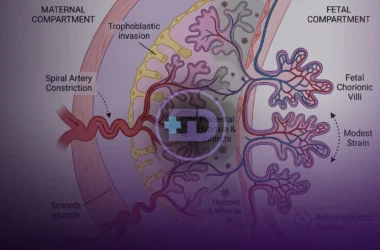
Fig 2: Early empiric therapy maximizes infection control; delayed treatment increases complications and resistance.
The Stewardship Paradox: Precision vs. Empiricism
Current guidelines recommend broad-spectrum antibiotics, but this is complicated by the increase in macrolide-resistant Mycoplasma genitalium and multidrug-resistant Neisseria gonorrhoeae.
This raises a key question: how can we treat effectively without worsening resistance?
Data from recent multicenter evaluations of Antibiotic Stewardship Programs (ASPs) show promising results. When ASPs were put in place, adherence to treatment guidelines rose from 56.8% to 84.5%, and the average treatment time dropped from 11.6 to 9.2 days, without affecting recovery. This means that treatment failures are often due to not following guidelines or to not reassessing in a timely manner, rather than to using too little antibiotic. Shorter, targeted regimens like ceftriaxone with doxycycline and metronidazole led to more patients fully recovering (62.6% to 79.0%) by matching treatment to local resistance patterns. This evidence highlights the importance of reassessing patients at 72 hours. For those with severe PID or TOA, if there is no improvement, such as ongoing fever, pain, or high inflammatory markers, it is a warning sign. It means the infection is no longer manageable with medicine alone and may require surgery.
It is also important to remember that up to 15% of PID cases are not caused by STIs. These often involve gut bacteria, such as E. coli or Bacteroides, or result from procedures such as IUD insertion. In patients who are ‘virgo intacta’ or postmenopausal, the ‘Chandelier sign’ may not be present. In these cases, clinicians should look for imaging signs, such as thickened endosalpingeal folds or the ‘cogwheel’ appearance on ultrasound, to determine when to intervene.
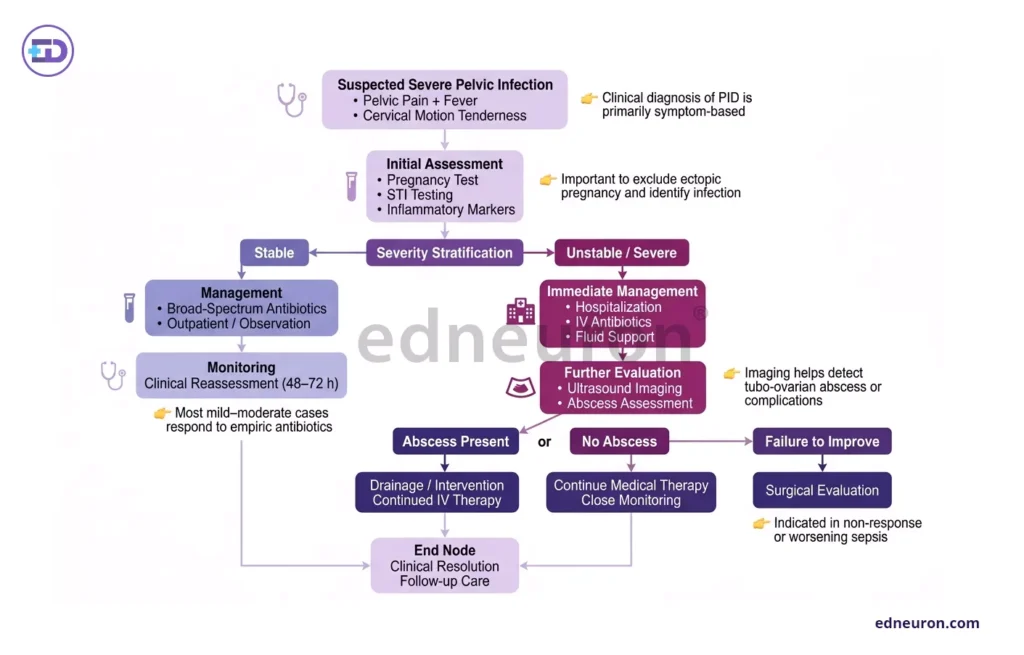
Fig 3: Clinical management flowchart for the assessment, severity stratification, and treatment protocols of suspected PID.
Conclusion
Managing severe PID requires careful and timely escalation. Clinicians need to act on the minimum criteria now to protect fertility in the future, but also be ready to change course if the infection progresses faster than medication can control. Moving from medical treatment to surgery is not a failure, but a necessary step when the disease advances.
References
- Todorov A, Dimitrov A, Ivanov S. Tubo-ovarian abscess, sepsis, and diffuse peritonitis in pelvic inflammatory disease. Obstet Gynecol Int J. 2025;15(4):6. Available from:
- Khan S, Ali F, Rahman A. Non-sexually transmitted infection-related pelvic inflammatory disease: an emerging clinical entity. Microorganisms. 2025;13(12):2813. Available from:
- Ahmed Z, Iqbal M, Hussain R. Impact of antibiotic stewardship on the management of pelvic inflammatory disease: a multicenter gynecological and public health perspective in Pakistan. Cureus. 2025;17(3):e392948. Available from:
- Sharma P, Gupta R, Singh S. Pelvic inflammatory disease: clinical features, risk factors, treatment, and prevention. Indian J Community Health. 2024;36(2):158–166. Available
- Li X, Chen Y, Wang H, et al. Global burden of pelvic inflammatory disease and ectopic pregnancy from 1990 to 2019: a systematic analysis. BMC Public Health. 2023;23:16663. Available from:

Author: A D
A surgically inclined medical trainee with a growing interest in brain, spine, and cardiothoracic systems, aspiring to build a career in advanced operative care. He aims to become a patient-centered surgeon who integrates evolving medical technologies with precise clinical judgment. With a strong foundation in surgical sciences, he has gained clinical exposure through case postings involving breast pathologies, chronic ulcers, and diabetic foot, along with observational experience in hernia repair, appendectomy, and cholecystectomy. Academically, he has assisted research work on breast cancer and developed a case report on a complicated hernia surgery, alongside contributing multiple review articles across disciplines. He is currently engaged in ongoing research exploring the role of nutrition in health and disease. MBBS (MS4) GMC Nagpur, India