
Introduction
The menstrual cycle is an important indicator of the hypothalamic-pituitary-ovarian axis, but abnormal uterine bleeding (AUB) still affects 10% to 30% of women worldwide. The FIGO PALM-COEIN classification helps identify structural and non-structural causes, but it does not always explain why similar anatomical findings can lead to very different symptoms. For example, two patients with the same type of fibroid may have very different experiences. This shows that AUB is not just about anatomical changes, but also involves problems with endometrial repair and the body’s metabolic balance.
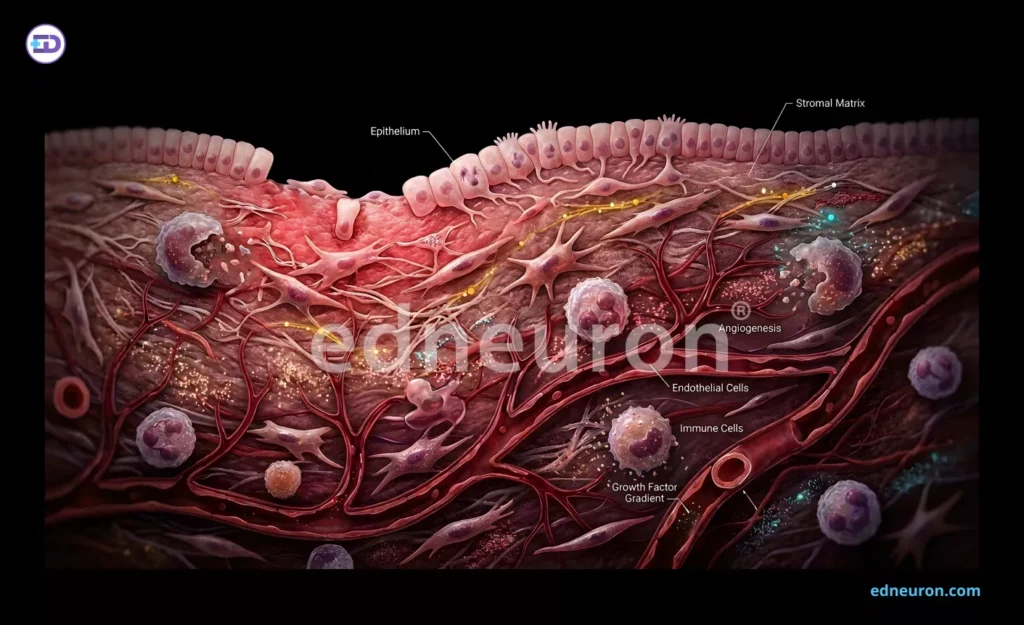
Fig 1: Angiogenesis and blood vessel growth driving abnormal uterine bleeding.
The Molecular Architecture of Endometrial Repair
At the cellular level, menstruation is a coordinated inflammatory response involving progesterone withdrawal, tissue breakdown, and changes in blood vessels. New research shows that stopping menstrual bleeding depends on a careful balance between matrix metalloproteinases (MMPs) and signals that narrow blood vessels. In women with AUB, lower levels of PTGFR, MMP2, and MMP9 suggest that the endometrium’s repair system is not working properly.
The situation is further complicated by the role of angiogenic factors. Lower levels of VEGFB and TGFB3 in patients with symptoms suggest that AUB may be caused by problems with blood vessel development, not just too many blood vessels. This raises questions about current surgeries: if the main problem is at the cellular level, removing fibroids may only treat the symptoms, not the root cause. This gap underscores the need for new drugs that target fibrosis and inflammation, rather than just hormone levels.
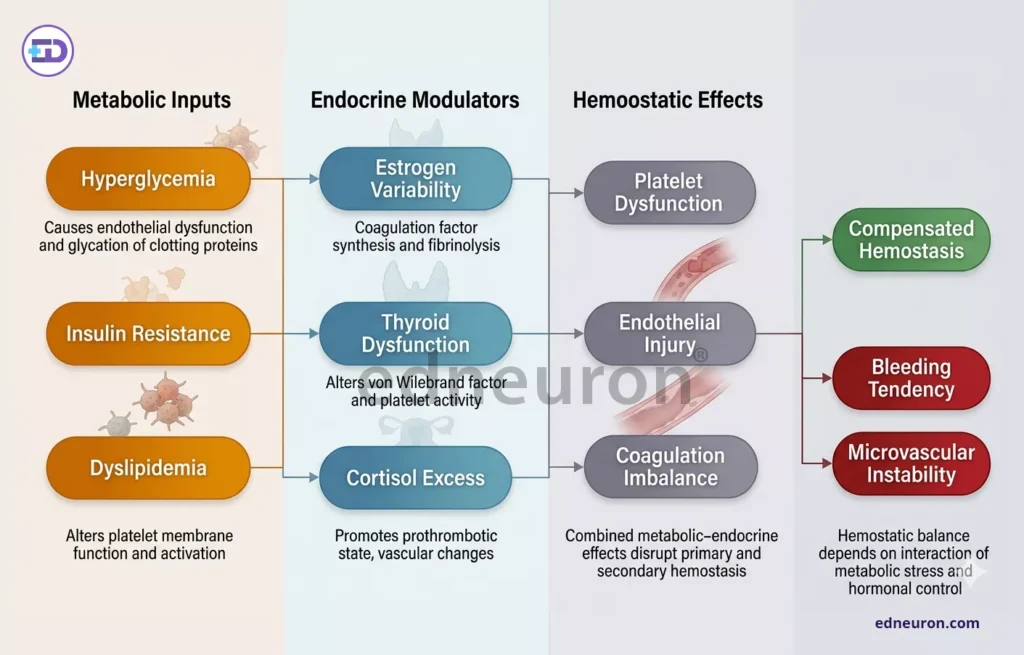
Fig 2: Interplay of metabolic and endocrine disturbances leading to hemostatic dysfunction and increased abnormal bleeding risk.
Metabolic and Endocrine Crosstalk in Hemostatic Failure
The uterus is influenced by the body’s overall metabolic state, which can affect the severity of AUB. Thyroid problems, especially hypothyroidism, make up 30–40% of systemic disorders linked to AUB. They alter hormone secretion and the processing of estrogen. In people with hypothyroidism, endometrial hyperplasia without atypia is much more common (71.8%), which increases the risk of heavy bleeding even if there are no polyps or fibroids.
Body mass index (BMI) also plays a role in AUB, demonstrating that fat tissue acts as an endocrine organ. Higher BMI is linked to greater availability of sex hormones and changes in testosterone metabolism, which disrupt MMP levels. Studies show that people with class 3 obesity have an 18% higher rate of AUB than those at a healthy weight. This may explain why treatments often do not work as well in obese patients; until the body’s metabolic state is improved, local treatments for the endometrium may not be fully effective.
Clinical Outcomes and the Socio-Diagnostic Gap
The real-world implications of AUB are heavily modulated by sociodemographic variables that dictate when and how a patient enters the care pathway. Structural causes are frequently diagnosed later in women from under-resourced regions, leading to a mean symptom duration of 15.15 months before clinical manifestation. This delay is exacerbated by poor health literacy and a cultural normalization of symptoms, which often obscures the transition from “heavy” to “pathological” bleeding.
Transvaginal ultrasound (TVUS) is the main screening tool, but it often misses non-structural causes of AUB. This can lead to too many hysterectomies. Nearly 16.7% of AUB patients need blood transfusions for severe anemia, showing that early screening for systemic issues is not working well.
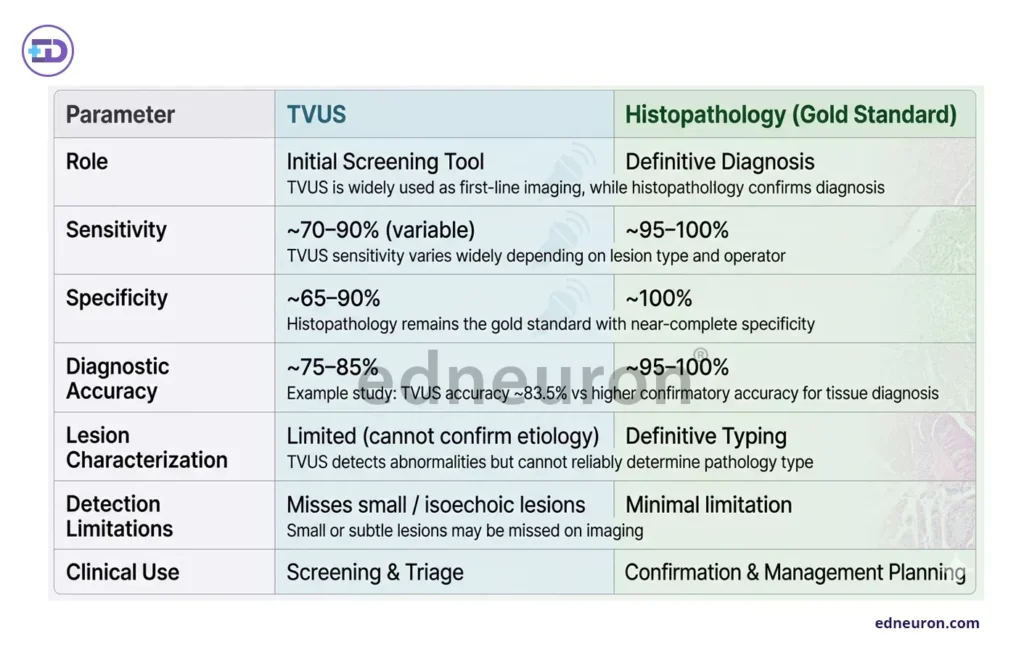
Table 1: Comparison of TVUS and histopathology performance in managing abnormal uterine bleeding.
Conclusion
Current evidence shows that AUB is not just an anatomical issue, but a complex problem involving molecular signals and the body’s overall balance. Managing AUB in the future should move toward precision medicine, using molecular markers such as MMP and VEGF levels, along with careful assessment of metabolic health. Until then, doctors need to go beyond just finding fibroids and work to understand why each patient cannot stop the bleeding.
References
- Sharma, R., & Gupta, P. (2026). Correlation of clinical features, thyroid status, and endometrial histopathology in abnormal uterine bleeding. International Journal of Reproduction, Contraception, Obstetrics and Gynecology, 15(2), 456–462.
- Wang, Y., Schisterman, E. F., Perkins, N. J., et al. (2023). Abnormal uterine bleeding patterns using digital menstrual tracking: The Apple Women’s Health Study. American Journal of Obstetrics and Gynecology, 228(5), 567.e1–567.e12.
- Donnez, J., & Dolmans, M.-M. (2024). Abnormal uterine bleeding: The well-known and the hidden face. Journal of Endometriosis and Uterine Disorders, 6(1), 100013.
- Kumari, S., Singh, A., & Verma, R. (2026). Perceptions and treatment-seeking behaviors for abnormal uterine bleeding among women in rural North India: A qualitative study. BMC Public Health, 26, 1127. https://doi.org/10.1186/s12889-026-26227-5
- Nabukenya, M. T., Kaye, D. K., & Mbalinda, S. N. (2025). Endometrial histological patterns and associated factors among women with abnormal uterine bleeding in Uganda. BMC Women’s Health, 25, 118.
- Patel, V., & Mehta, R. (2022). A prospective study of abnormal uterine bleeding with sonological and histopathological correlation. International Journal of Reproduction, Contraception, Obstetrics and Gynecology, 11(9), 2456–2461.
- Rani, S., & Kumari, P. (2020). Etiopathogenesis and clinical profile of patients with abnormal uterine bleeding. International Journal of Reproduction, Contraception, Obstetrics and Gynecology, 9(3), 987–992.
- Hapangama, D. K., Bulmer, J. N., & Pathirage, N. (2022). Deregulation of endometrial genes associated with vascular function and extracellular matrix remodeling in abnormal uterine bleeding. BMC Women’s Health, 22, 312.
- Khan, S., & Ali, F. (2021). Clinico-epidemiological profile of abnormal uterine bleeding among women in the reproductive age group. International Journal of Reproduction, Contraception, Obstetrics and Gynecology, 10(5), 1789–1794.
- Shaikh, N., Hussain, S., & Fatima, A. (2025). Etiological factors associated with abnormal uterine bleeding among adult women presenting to tertiary healthcare settings. Cureus, 17(1), e386361.
- Liu, Z., Gong, Y., Nagamoto, H., Okunuki, T., Yamaguchi, R., Kobayashi, Y., Li, Y., Maemichi, T., & Kumai, T. (2024). Low Body Fat Percentage and Menstrual Cycle Disorders in Female Elite Adolescent Dancers. Journal of Dance Medicine & Science.

Author: A D
A surgically inclined medical trainee with a growing interest in brain, spine, and cardiothoracic systems, aspiring to build a career in advanced operative care. He aims to become a patient-centered surgeon who integrates evolving medical technologies with precise clinical judgment. With a strong foundation in surgical sciences, he has gained clinical exposure through case postings involving breast pathologies, chronic ulcers, and diabetic foot, along with observational experience in hernia repair, appendectomy, and cholecystectomy. Academically, he has assisted research work on breast cancer and developed a case report on a complicated hernia surgery, alongside contributing multiple review articles across disciplines. He is currently engaged in ongoing research exploring the role of nutrition in health and disease. MBBS (MS4) GMC Nagpur, India