
Introduction
The management of thyroid pathology has entered an era in which surgical excellence is no longer measured solely by oncological clearance, but also by the preservation of patient body image. As the incidence of detected small thyroid nodules increases, particularly among women, the traditional Kocher collar incision is increasingly viewed through the lens of potential disfigurement. This shift has catalyzed the development of minimally invasive thyroidectomy (MIT) and remote-access techniques ranging from the video-assisted (MIVAT) to the transoral (TOETVA) and robotic transaxillary (RATS) approaches. However, as we move the incision away from the neck, we introduce a complex set of metabolic and mechanical considerations that demand rigorous clinical scrutiny.
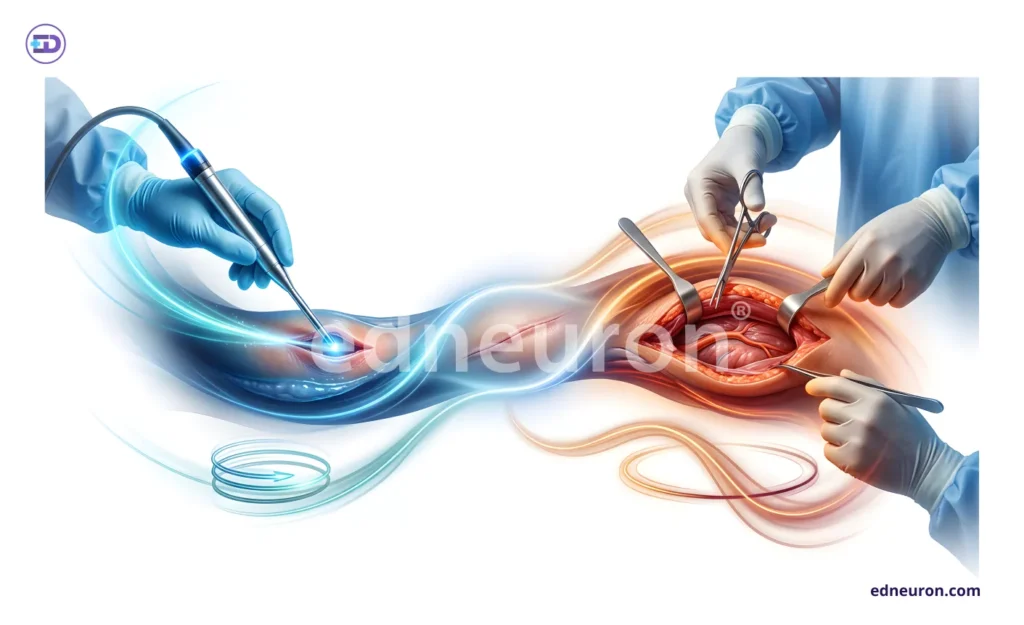
Fig 1 : Modern intraoperative nerve-monitored minimally invasive thyroidectomy
Clinical Equivalence and the Chronometric Trade-off
The central question for the clinician-researcher is whether these aesthetic advances compromise the hallmark safety of thyroid surgery: the preservation of the recurrent laryngeal nerve (RLN) and the parathyroid glands. Comprehensive meta-analyses suggest a surprising degree of functional non-inferiority. Across most techniques, there is no statistically significant difference in the incidence of transient or permanent RLN injury or hypocalcemia when compared to conventional open thyroidectomy.
The primary “cost” of the scarless neck is the time required. Except MIVAT. which, in some series, demonstrates shorter operating times due to its direct cervical approach. Most remote-access techniques significantly increase operating time. This is largely attributed to the time-intensive process of creating subcutaneous working spaces and docking robotic platforms. While the length of hospital stay remains largely comparable (averaging approximately three days), it is often dictated more by local hospital protocols than by the surgical approach itself.
The Implantation Paradox: Seeding in Remote Access
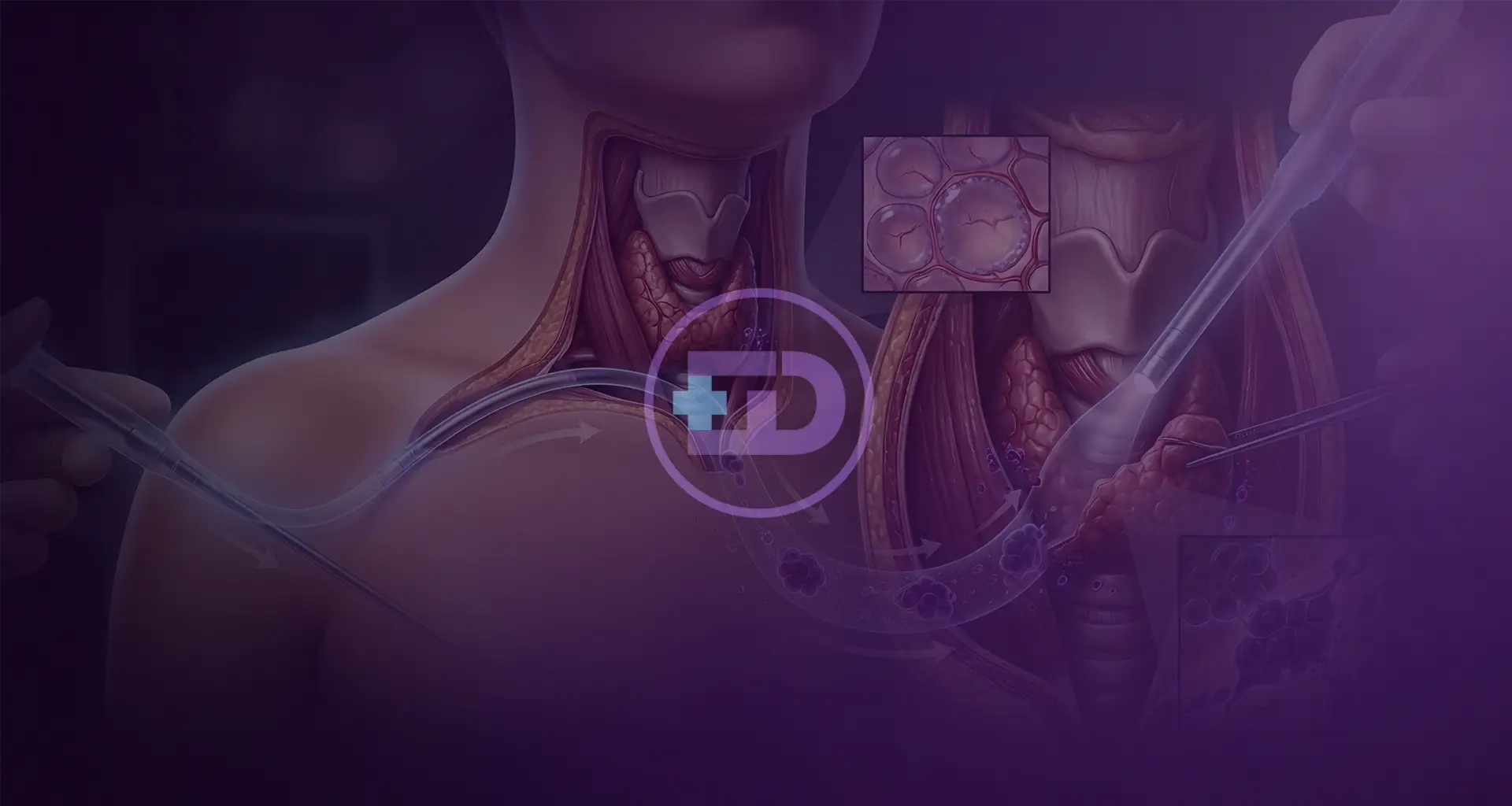
Perhaps the most distinctive and concerning complication of remote-access surgery is subcutaneous implantation, an unexpected “metabolic insurgency” of thyroid tissue along the surgical tract. While rare, this phenomenon has been documented in the neck, axilla, and even breast tissue.
Clinical evidence suggests that this risk is not limited to malignant cells; benign follicular tissue can also seed if the pseudocapsule is breached or if the specimen is squeezed during retrieval through narrow tunnels. Interestingly, follicular thyroid carcinoma (FTC) appears to account for a disproportionate number of these cases, possibly because of its more invasive biological behavior compared to the more common papillary variant. For the clinician, this underscores the absolute necessity of using specimen bags and meticulous irrigation to prevent the aerosolization or mechanical deposition of cells.
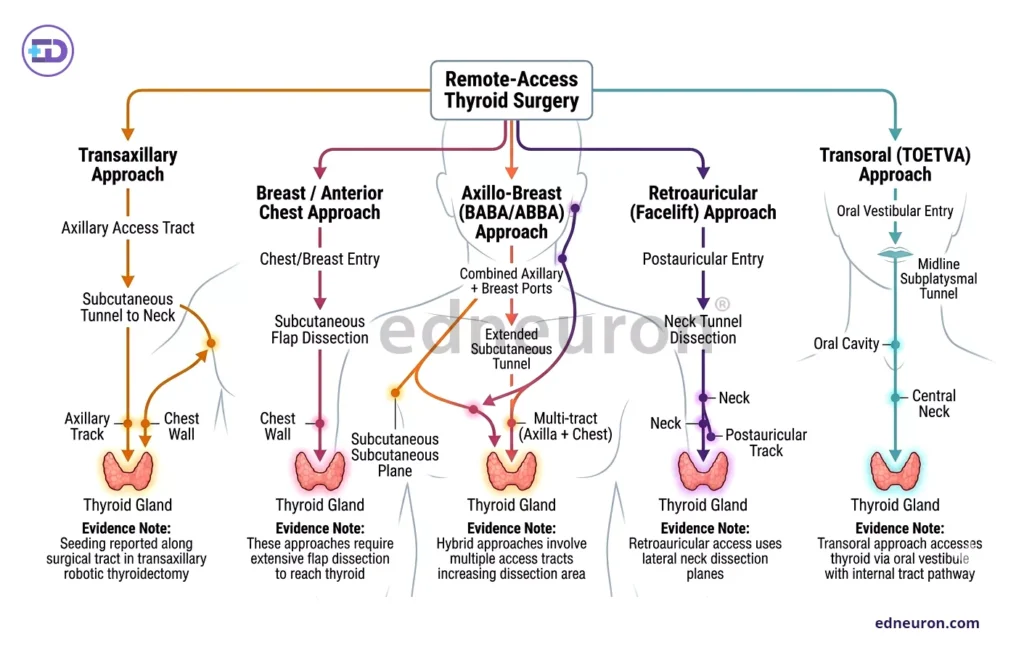
Fig 2 : Remote-Access Thyroid Surgery: Comparison of Surgical Tracts and Potential Seeding Sites
Clinical Interpretation and Practical Implications
The transition from conventional to minimally invasive surgery requires a recalibration of surgical philosophy. Aesthetic desire must not supersede oncologic principles. While MIT was traditionally reserved for small nodules (<3 cm), experienced surgeons are now successfully applying these techniques to more advanced cases, such as upper pole carcinomas with gross extra-thyroidal extension, provided they can achieve clear margins and control the superior thyroid artery.
For practitioners, the “best” approach balances patient preferences with the surgeon’s learning curve. Surveys indicate that while surgeons often deviate from ATA/ETA guidelines—frequently opting for surgery based on nodule size (>3 cm) despite benign cytology—the routine demonstration of the RLN remains the gold standard for achieving high-quality outcomes.
Limitations and Uncertainty
Despite the growing volume of MIT, the level of evidence remains largely retrospective. Most data originate from specialized high-volume centers in Asia, which may limit the generalizability of results regarding operative times and complication rates to Western populations with different body mass indices. Furthermore, long-term oncological outcomes for remote-access techniques in malignant cases still require more robust, prospective validation.
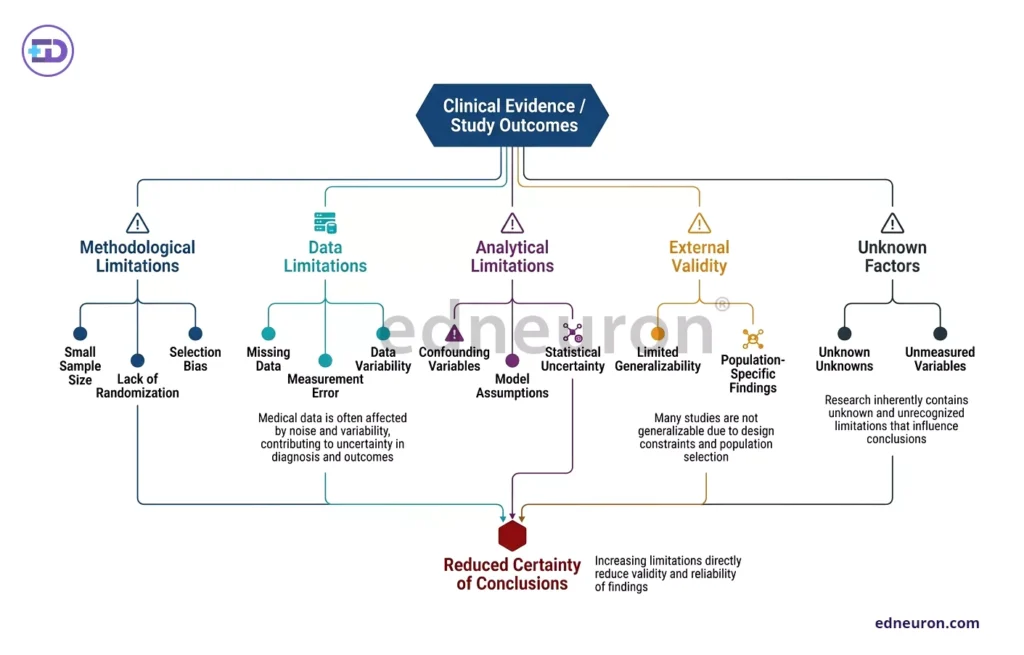
Fig 3 : A flowchart illustrating the methodological, analytical, and external limitations that reduce the certainty of scientific conclusions in clinical research.
Conclusion
Minimally invasive thyroid surgery has proven itself as a safe, non-inferior alternative to conventional methods for selected patients. However, the clinician must remain vigilant against the unique risk of tract seeding by adhering to strict “an-neoplasia” surgical principles and meticulous specimen handling.

Author: A D
A surgically inclined medical trainee with a growing interest in brain, spine, and cardiothoracic systems, aspiring to build a career in advanced operative care. He aims to become a patient-centered surgeon who integrates evolving medical technologies with precise clinical judgment. With a strong foundation in surgical sciences, he has gained clinical exposure through case postings involving breast pathologies, chronic ulcers, and diabetic foot, along with observational experience in hernia repair, appendectomy, and cholecystectomy. Academically, he has assisted research work on breast cancer and developed a case report on a complicated hernia surgery, alongside contributing multiple review articles across disciplines. He is currently engaged in ongoing research exploring the role of nutrition in health and disease. MBBS (MS4) GMC Nagpur, India