


Abstract
The deployment of Wolbachia-infected Aedes aegypti as a dengue-suppression strategy has produced some of the most striking results in the history of vector-borne disease control. This commentary article analyzes the Wolbachia-mediated suppression as an impressive but incomplete ecological intervention, one whose durability is pivoted where three components find a common axis: the endosymbiont selective pressure by partial suppression, emergence of adapted quasispecies, and dynamics of thermal ecological variation. Then we argue, no longer the debate being about whether Wolbachia truly prevents disease incidence, but whether ecological interventions against rapidly evolving RNA viruses can ever be permanent.
An Ecological Intervention of Unusual Ambition
The Wolbachia-based dengue control is an exercise in ecological engineering: introducing an obligate intracellular endosymbiont not found in arboviral agents into a wild mosquito population that reduces vector competence for dengue virus by a mechanism of sex ratio distortion called “sperm-egg cytoplasmic incompatibility” (CI). CI causes embryonal death when uninfected females mate with Wolbachia-carrying males, driving the endosymbiont to population-level fixation through maternal inheritance. This theoretical elegance is matched by the operational results with the wMel strain of Wolbachia pipientis, transinfected into Aedes aegypti, which could both block dengue replication via mechanisms of ROS and innate immunity activation and invade caged mosquito populations with minimal fitness cost. A cluster-randomized controlled field trial reported by Indriani C et al. in Indonesia, documented a staggering 77% reduction in virologically confirmed dengue (95% confidence interval 49%,86%), with Wolbachia prevalence 95.8% throughout the follow-up period. Data from Niterói, Brazil, reported by Anders and colleagues: Wolbachia prevalence remained at or above 95% for 44–53 months post-release, and dengue incidence decreased by 89% (95% confidence interval: 77.9 to 94.4%) with the suppression of DENV serotypes persisting through the 2024 Epidemic. Such results represent a durable epidemiologic signal that demands engagement. It requires interrogation of the mechanism, which in this case, reveals a system more biologically contingent than the epidemiologic data alone might suggest.
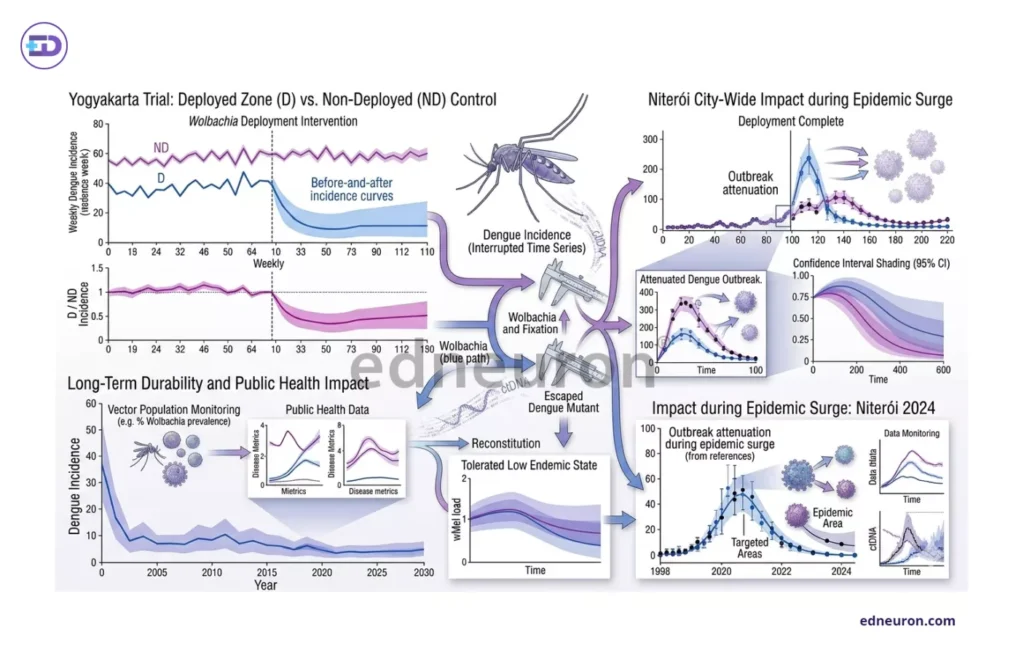
Fig 1 : Statistical representation of data showing reduced incidence of dengue in Indonesia and the major impact of Wolbachia-infected Aedes during the 2024 Niteroi epidemic.
Mechanisms of Viral Suppression and Their Evolutionary Limits
Wolbachia-mediated dengue suppression works by priming the mosquito’s innate immune system with effector molecules, including cecropins, defensins, thioester-containing proteins (TEPs), and C-type lectins, thereby reducing the probability of productive viral replication within the mosquito host. Other putative hypotheses, such as limited cholesterol and lipid resources, increased reactive oxygen species, interference with autophagy-dependent viral processing, and increased expression of methyltransferases to suppress viral replication, have all been implicated. Crucially, these mechanisms must work additively and be singly redundant as Wolbachia does not impose a single molecular block that could be circumvented by a single viral mutation, but rather a layered intracellular environment that is less permissive to viral replication across multiple independent axes. Dengue virus is an RNA arbovirus that replicates via an error-prone polymerase, generating quasispecies of mutational variants at each replication cycle. The evolutionary question posed by Yen and Failloux in their influential 2013 analysis is therefore precise and uncomfortable: if Wolbachia imposes strong intracellular selective pressure on dengue replication, and the fact that it does not necessarily suppress the viral RNA genome within the mosquito cells, does it simultaneously create a room in which variants better equipped to replicate under endosymbiont-mediated stress are enriched? The scenario remains unresolved experimentally because the time required to observe these variant quasispecies adapting in field conditions has not yet elapsed, and the absence of escape variants in current field cohorts is nothing but constraints that elude our current epidemiological data. The problem of partial suppression prunes this concern. If Wolbachia reduces without really fully eliminating viral replication, and the evidence suggests this is precisely what happens in a subset of mosquito midguts, then the intervention may impose a bottleneck that favors viral diversity. The labyrinth of dengue’s evolutionary rate and population structure, which permits meaningful adaptation across human transmission chains that pass through Wolbachia-carrying vectors, is something field entomology alone cannot currently answer.
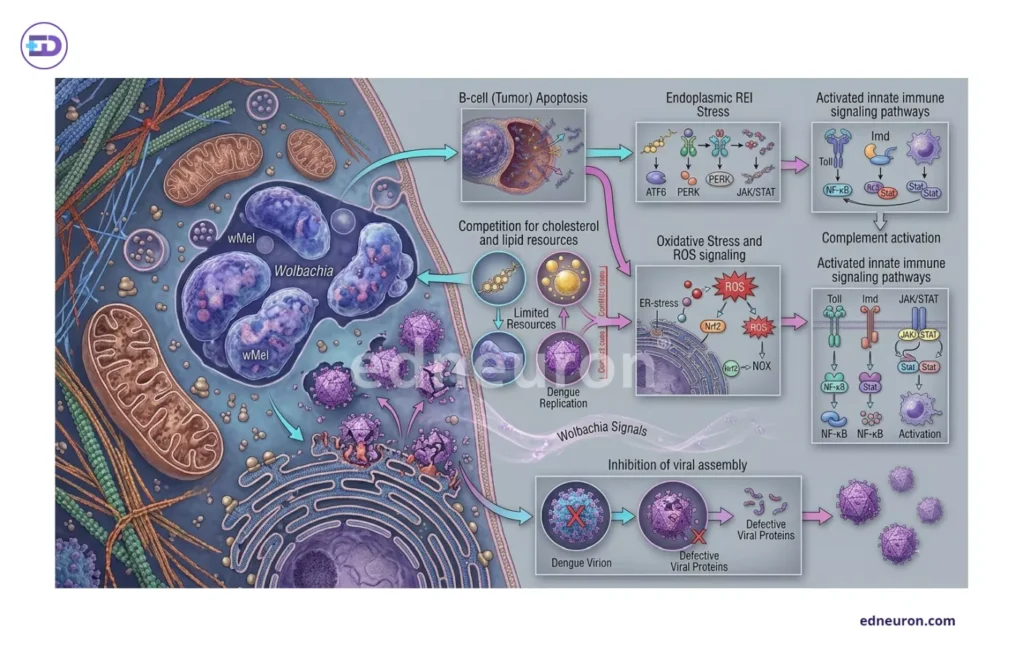
Fig 2 : Mechanism of Wolbachia-mediated inhibition of dengue virus.
Climate, Thermal Biology, and the Ecology of Instability
Research by Gunasekaran K et al. adds an environmental dimension sculpting questions about the durability of such an intervention. The thermal sensitivity to Wolbachia infection (wMel strain), which exhibits reduced viral density, loss of CI (indispensable for population replacement) at sustained temperatures above 32–34°C, and almost complete larval mortality at 40°C. Under laboratory conditions with artificially induced tropical heat waves, wMel-infected females exhibit significantly reduced maternal transmission efficiency and diminished CI expression. The wAlbB strain demonstrates greater thermal fitness across this temperature range, a finding useful for deployment in hotter tropical settings, with only the less mature data on wAlbB’s dengue-blocking efficacy and long-term field persistence as the points of withholding. This thermal vulnerability takes on added significance in the context of projected global temperature increases. Field Wolbachia prevalence reflects the equilibrium state of a dynamic invasion continuously perturbed by temperature, rainfall, container habitat heterogeneity, and mosquito population migration. Climate does not just provide a backdrop for the stage of Wolbachia-mediated arbo-suppression but actively participates, shaping and affecting the outcome of the intervention at every moment from its introduction to its durability, undergoing the test of time.
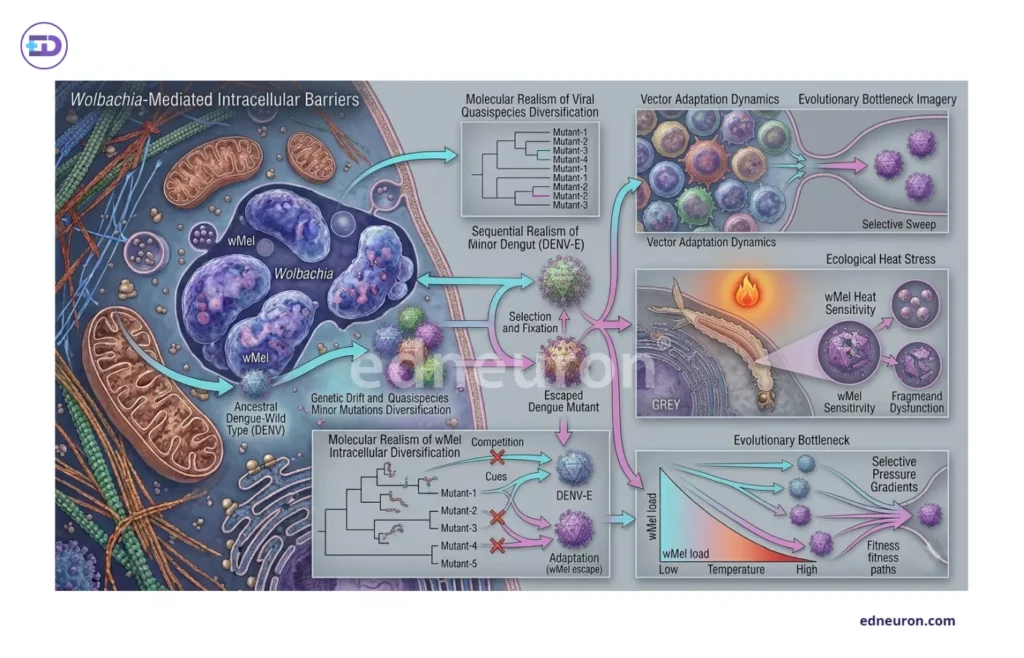
Fig 3 : Various limits that put contriants on global application of such an ecological intervention.
Introgression dynamics have produced variable patterns of data across sites, both within and between countries. Wolbachia-mediated selection of more fit and resistant viral strains reflects differences in endosymbiont-mosquito population interactions, urban ecology, insecticide resistance backgrounds, and release densities. Although the strongest field programs have demonstrated noble stability, whether this stability can be predicted to extend to more versatile urban ecologies in hotter, less resource-endowed settings remains a quest of the unknown. Seven years of efficacy in temperate coastal Australia and equatorial Java are not sufficient to branch into multi-decade durability across the full geographic range of dengue endemicity. The appropriate response to this uncertainty is obviously not to ball with caution or withhold deployment. The public-health mathematics of such ingenuity is too enticing to hesitate over but what can act as a bulwark is the disciplined construction of a long-term surveillance infrastructure to detect early signals of viral adaptation and climate-driven CI erosion before they wreak unexpected, onerous havoc. Investment in wAlbB and next-generation strain development, integration of genomic viral surveillance with Wolbachia prevalence monitoring, and rigorous ecological modeling of long-term stability under projected temperature scenarios are scientific obligations, not refinements.
Whether Ecological Interventions Against RNA Viruses Can Be Final
Wolbachia works, and we have ample evidence from Yogyakarta, Niterói, and Cairns, but the harder, more enduring question is whether an ecological intervention against a rapidly evolving RNA virus and an intracellular symbiont weapon operating within a heat-sensitive, ecologically dynamic arthropod host can be the ultimate hope. Interventions that exploit biological constraints on pathogen replication impose selective pressure that evolution eventually, though not always, finds a way to circumvent. Wolbachia’s multi-mechanistic viral blocking makes simple escape less likely than a single-target pharmaceutical approach; obviously, the field data is like an ivy whose current stability is undeniable, but the evolutionary frame makes permanence unguaranteed. With adapted viral quasispecies selection, thermal CI erosion that has not operated for sufficient duration or at sufficient scale to disprove the current evidence, we do not know whether they will, or when. It is something that only decades of rigorous surveillance will answer.
References
- Indriani C, Tantowijoyo W, Rancès E, et al. Reduced dengue incidence following deployments of Wolbachia-infected Aedes aegypti in Yogyakarta, Indonesia: a quasi-experimental trial using controlled interrupted time series analysis. Gates Open Res. 2020 May 11;4:50. PMID: 32803130.
- Anders KL, Ribeiro GS, Lopes RDS, et al. Long-Term Durability and Public Health Impact of City-Wide wMel Wolbachia Mosquito Releases in Niterói, Brazil, During a Dengue Epidemic Surge. Trop Med Infect Dis. 2025 Aug 25;10(9):237. PMID: 41003547.
- Moreira LA, Iturbe-Ormaetxe I, Jeffery JA, et al. A Wolbachia symbiont in Aedes aegypti limits infection with dengue, Chikungunya, and Plasmodium. Cell. 2009 Dec 24;139(7):1268-78. PMID: 20064373.
- Yen PS, Failloux AB. A Review: Wolbachia-Based Population Replacement for Mosquito Control Shares Common Points with Genetically Modified Control Approaches. Pathogens. 2020 May 22;9(5):404. PMID: 32456036.
- Gunasekaran K, Sadanandane C, Panneer D, et al. Sensitivity of wMel and wAlbB Wolbachia infections in Aedes aegypti Puducherry (Indian) strains to heat stress during larval development. Parasit Vectors. 2022 Jun 21;15(1):221. PMID: 35729601.

Author: A P
A medical trainee with an emerging focus on translational and clinical research, with interests spanning surgical sciences, neuroscience, pediatrics, and immunology. Her academic trajectory reflects an effort to integrate molecular innovation with clinically relevant disease models, particularly in complex and high-burden conditions. Her research experience includes work in genome engineering, specifically in prime editing, exploring its therapeutic potential in precision medicine. She has also contributed to oncological research examining cholangiocarcinoma with brain metastasis, focusing on its clinical course and diagnostic challenges. In parallel, her work investigating stoma formation as an independent risk factor for acute kidney injury reflects an interest in perioperative and systemic complications. Academically, she has contributed to case-based and review-driven scholarship, including a case reports and interdisciplinary review articles. Her evolving interests in neurology, pediatrics, and immunology reflect a broader inclination toward understanding disease across systems—from molecular mechanisms to clinical outcomes—while maintaining a disciplined, evidence-based approach to patient care. MBBS (MS4) ABVIMS Dr. RML HOSPITAL New Delhi