
Introduction
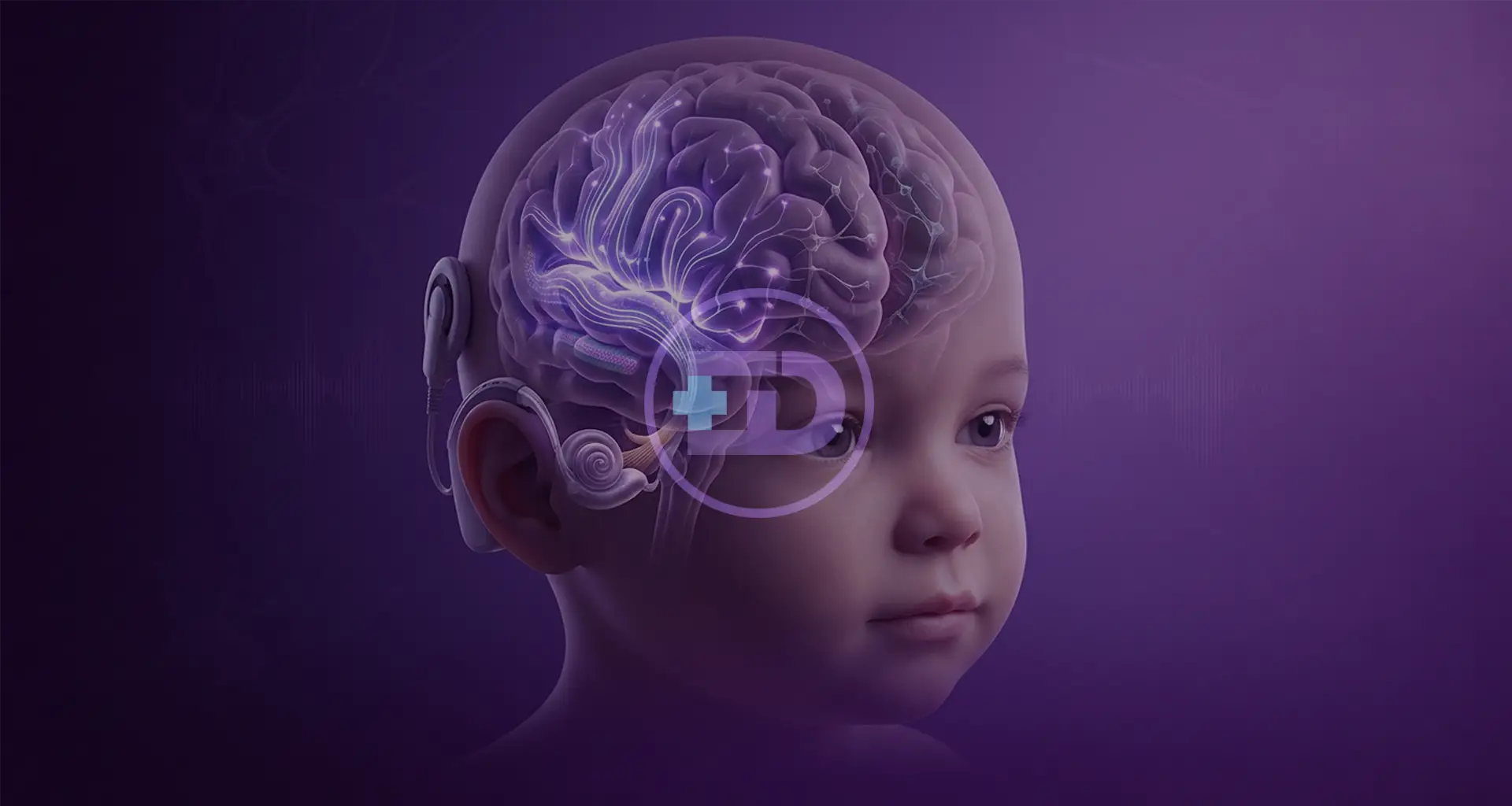
Congenital sensorineural deafness reports an incidence of 2/1000 live births, and cochlear implants have laced the landscape with hope for such prelingually deaf children. Cochlear implants are biomedical devices surgically implanted that transduce acoustic stimulation into digital impulses, thereby directly stimulating the cochlea to generate action potentials and replace a defective organ of Corti.
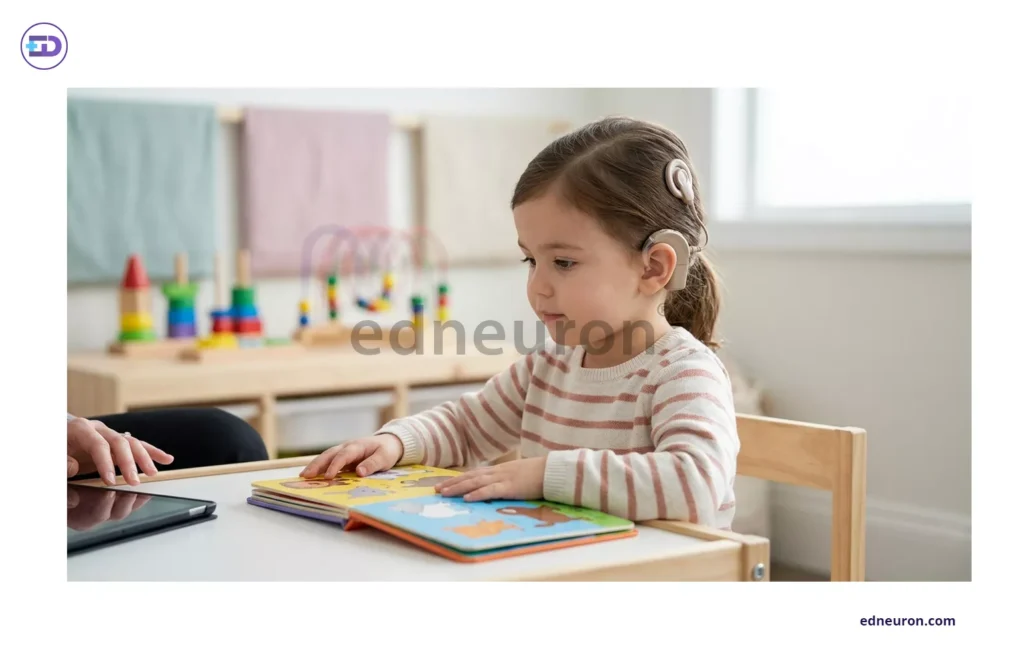
Fig 1: Real-time image of a child with cochlear implants
Time, however, warps this technology’s promise. The most ephemeral question in pediatric aural rehabilitation is: When is the optimal time to undergo cochlear implantation? As dictated by neuroscientific research, external sensory stimuli are central to the development of neuronal synapses. This stimulus is then represented and reorganized into tonotopic maps, with objects and features associated with it. With repeated acoustic training, a learned task is finetuned to more meticulous performance in the cortical and subcortical regions. A juvenile brain has a much greater capacity to adjust and is primed for greater neural plasticity. Such a critical period in neurodevelopmental biology is called the sensitive period (closely tied to ages 3.5 to 7 for Auditory development) (refer to the figure below). Beyond this, the brain’s learning capacity is comparably reduced; however, recent evidence shows that long-term, non-patterned acoustic stimulation can extend these so-called sensitive periods. Such impressionable effects of early sensory experience in behavioral learning often insinuate the ominous effects of auditory deprivation early in life. When cochlear implantation is delayed beyond this critical period, the clinicians and patients’ families stand at a crossroads, the answer to which is not straightforward and depends on the depth and duration of auditory deprivation. Understanding this requires a fluency in both cortical plasticity and the clinical heterogeneity in patients that renders each late-implanted patient a distinct therapeutic challenge.
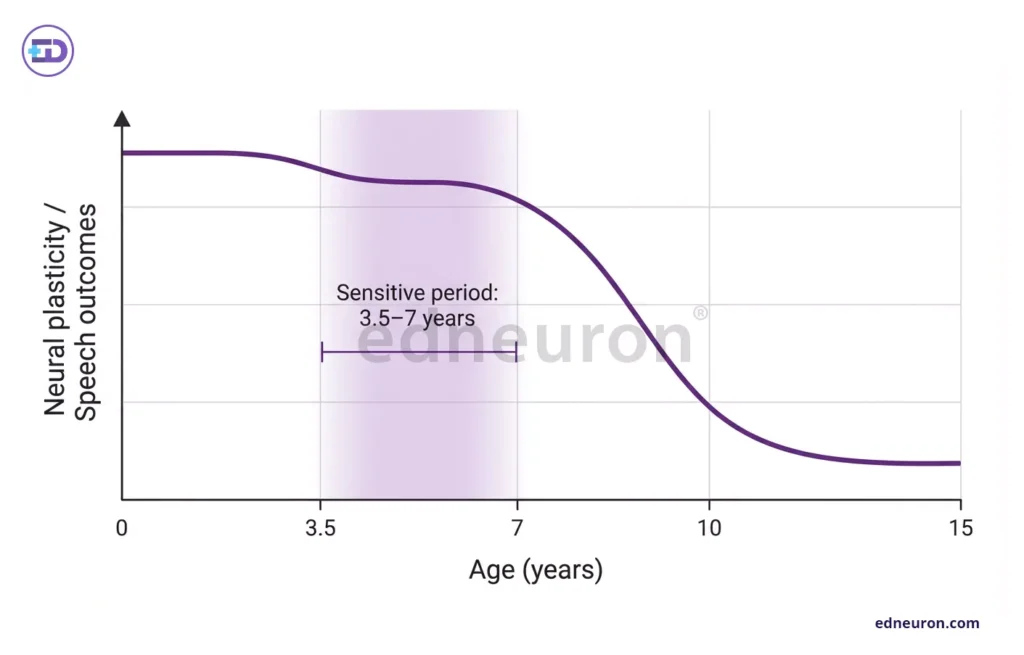
Fig 2: The critical window of auditory development- 3.5-7years..
One way to establish objectivity is through cortical auditory evoked potentials—particularly the P1 component— a biomarker to assess the status of the auditory pathway as studied by (Eggermont JJ et al 2003) The normal peak occurs around 100-300 milliseconds. Any latency reflects delayed synaptogenesis (refer to the figure below). However, because of residual plasticity, the speech performance of late-implanted children remains comparable to that of early-implanted children.
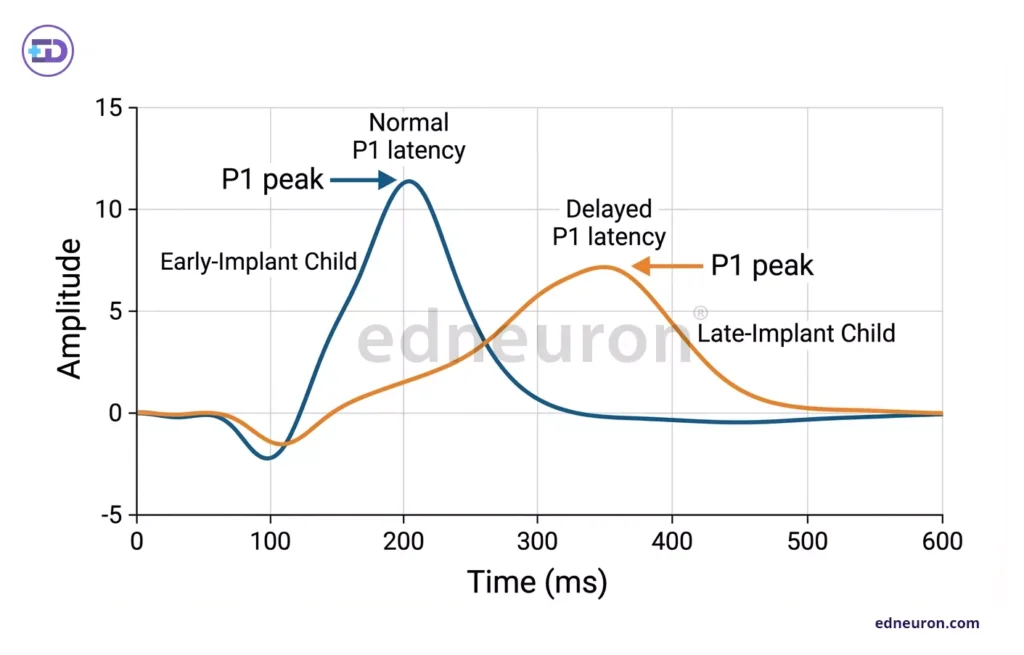
Fig 3: Cortical Auditory Evoked Potential- P1. Notice the delayed P1 peak in the late-implant child.
Such impairments in cortical differentiation and redundant synaptic transmission in late-implanted patients suggest more complex events resulting from auditory deprivation in these prelingually deaf children. One being the recruitment of aberrant, heterogeneous connections from visual and somatosensory afferents that colonize the region assigned to auditory integration. For a newly introduced connection to be a neuronal success, it also has to have tight mutual linkages with the neighboring circuits. So when this cross-modal cortical reorganization, though adaptive in the deaf individual, both contests and adds to metabolic expenses, it becomes a debacle for aural rehabilitation. The degree to which successful rehabilitation can be achieved depends on the duration of absence of auditory stimulus, rendering the age at implantation not merely a scheduling variable but an upper limit on the rehabilitative ceiling.
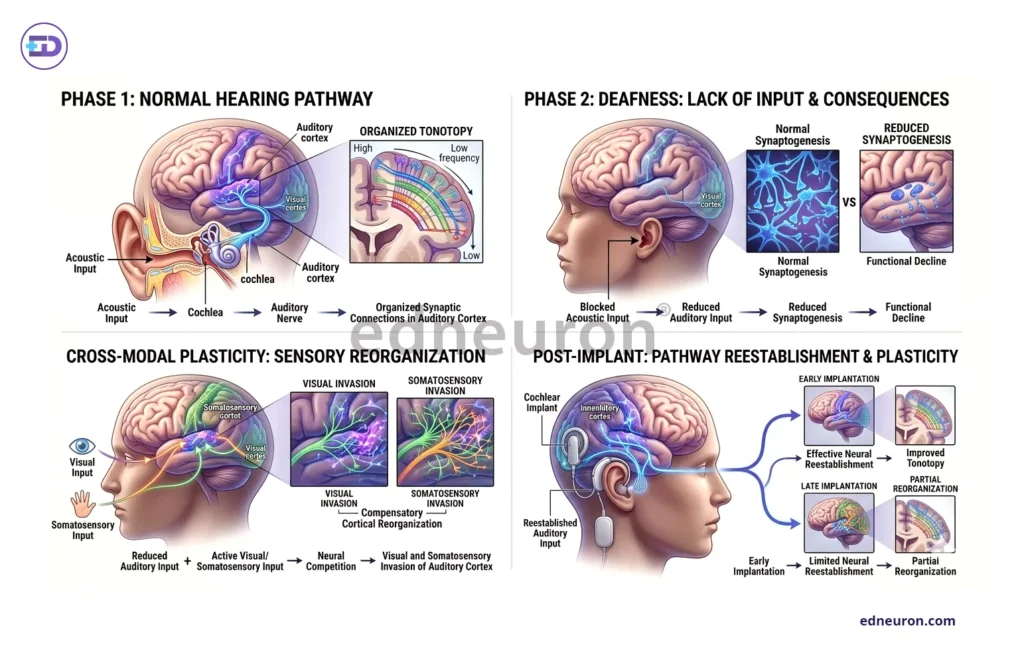
Fig 4: Mechanism Of Synaptic Organization.
Clinical Outcomes Beyond the Critical Window
Medicine, being the arbiter in this tussle between nihilism and optimism, allows for children implanted after age 7 or adolescents in the second decade to demonstrate a modicum of gains in environmental sound awareness and, in select cases, partial speech perception. Variability in late-implanted outcomes is not some random data. Duration forms the tenet in prognosticating the outcome. Conversely, children with any pre-lingual auditory exposure, partial hearing loss, or prior hearing aid use demonstrate comparatively better post-implant trajectories with improvement of 44.6% (95% CI: 38.0-51.2%) (Pattisapu P et al.). Rehabilitation intensity, socioeconomic environment, parental education, and cognitive reserve further modulate outcomes, suggesting that the neurobiological constraint, though real, is not the sole determinant of functional communication. Multidisciplinary input is indispensable in this context.
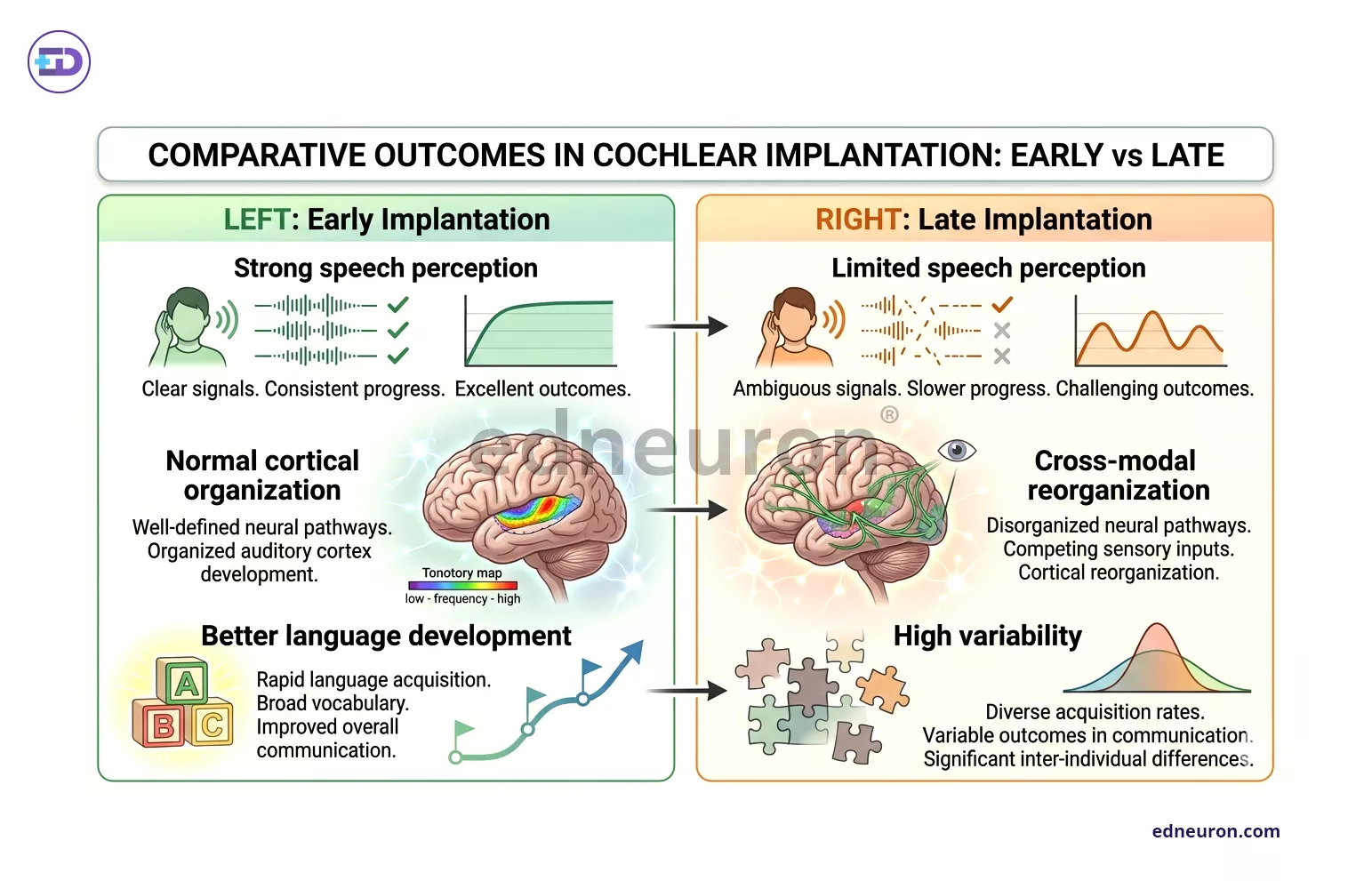
Fig 5 : Illustrative representation of outcomes in early vs late implanted child.
Ethical and Societal Dimensions
Medicine never precludes the scope for space of dialogue-any discourse on cochlear implantation in late childhood or adolescence must be tread with care, caution, and without prejudicing the perspective of the Deaf community. Viewing it as some medical condition to be corrected and then framing late implantation as a rescue operation risks epistemic violence against this lived reality. It is thus the clinician’s obligation to inform the patient about the modality not as an imperative treatment but as an alternative path, each carrying its own developmental, social, and identity implications.
The statistical finding documenting higher satisfaction levels among CI-implant patients does not provide grounds to negate the validity of choosing a Deaf-centered upbringing. The clinical encounter must therefore, be something where neurobiological evidence informs but does not coerce, and where the family’s cultural, linguistic, and philosophical values are treated as clinically relevant data.
References
- Sharma A, Campbell J. A sensitive period for cochlear implantation in deaf children. J Matern Fetal Neonatal Med. 2011 Oct PMID: 21942615.
- Zhou X, Panizzutti R, de Villers-Sidani E, Madeira C, Merzenich MM. Natural restoration of critical period plasticity in the juvenile and adult primary auditory cortex. J Neurosci. 2011 Apr PMID: 21490203.
- Sharma A, Nash AA, Dorman M. Cortical development, plasticity and re-organization in children with cochlear implants. J Commun Disord. 2009 Jul-Aug PMID: 19380150.
- Eggermont JJ, Ponton CW. Auditory-evoked potential studies of cortical maturation in normal hearing and implanted children: correlations with changes in structure and speech perception. Acta Otolaryngol. 2003 Jan PMID: 12701751.
- Schramm D, Fitzpatrick E, Séguin C. Cochlear implantation for adolescents and adults with prelinguistic deafness. Otol Neurotol. 2002 Sep PMID: 12218622.
- Kral A, Sharma A. Developmental neuroplasticity after cochlear implantation. Trends Neurosci. 2012 Feb PMID: 22104561.
- Pattisapu P, Lindquist NR, Appelbaum EN, Silva RC, Vrabec JT, Sweeney AD. A Systematic Review of Cochlear Implant Outcomes in Prelingually-deafened, Late-implanted Patients. Otol Neurotol. 2020 Apr PMID: 32176122.
- Tomblin JB, Barker BA, Hubbs S. Developmental constraints on language development in children with cochlear implants. Int Congr Ser. 2005;1273:54–57.

Author: A P
A medical trainee with an emerging focus on translational and clinical research, with interests spanning surgical sciences, neuroscience, pediatrics, and immunology. Her academic trajectory reflects an effort to integrate molecular innovation with clinically relevant disease models, particularly in complex and high-burden conditions. Her research experience includes work in genome engineering, specifically in prime editing, exploring its therapeutic potential in precision medicine. She has also contributed to oncological research examining cholangiocarcinoma with brain metastasis, focusing on its clinical course and diagnostic challenges. In parallel, her work investigating stoma formation as an independent risk factor for acute kidney injury reflects an interest in perioperative and systemic complications. Academically, she has contributed to case-based and review-driven scholarship, including a case reports and interdisciplinary review articles. Her evolving interests in neurology, pediatrics, and immunology reflect a broader inclination toward understanding disease across systems—from molecular mechanisms to clinical outcomes—while maintaining a disciplined, evidence-based approach to patient care. MBBS (MS4) ABVIMS Dr. RML HOSPITAL New Delhi